

“Perfection in design is achieved not when there is nothing left to add, but when there is nothing left to take away.” — Antoine de Saint-Exupéry.
At first glance, Saint-Exupéry’s famous reflection may seem far from the world of industrial and medical device design. Yet, his philosophy of essentiality and simplicity resonates deeply with design principles.
“The Little Prince” teaches us that “what is essential is invisible to the eye” —a lesson that also applies to design: the true value of a product lies in its essentiality, usability, and safety. Just as aviation required Saint-Exupéry to remove the superfluous to ensure efficiency, the same principle applies to medical devices, where simplicity enhances safety, usability, and innovation.
The Life of Antoine de Saint-Exupéry

As an aviator and writer, Saint-Exupéry lived through extreme experiences that shaped his vision of simplicity and efficiency. His works, especially Terre des Hommes, highlight principles that still guide modern industrial design and inspire the pursuit of minimalism in medical technology.
The Philosophy of Simplicity in Design
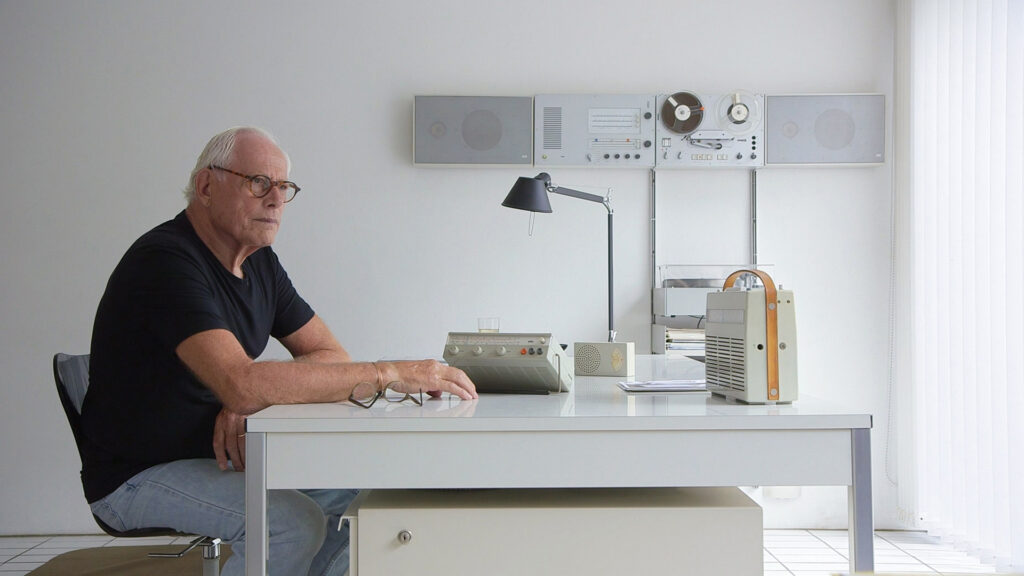
Simplicity in industrial design follows three key principles:
- Functionality – every component must have a clear purpose. In medical device design, eliminating unnecessary parts ensures safety and reliability.
- Aesthetics – beauty lies in essentiality. Minimal design improves usability and reduces the risk of errors.
- Usability – a simpler interface is easier to use, especially in clinical settings where intuitive interaction is critical.
Examples of Simplicity in Industrial Design
1. Apple iPhone (2007) – revolutionized usability with a single touch interface, a principle also applied in intuitive medical interfaces.

2. Panton Chair (1960) – one-piece molded plastic design; in medical devices, fewer joints mean stronger and safer implants.

3. IKEA Kallax Bookcase – modular, functional, and easy to assemble: an example of simplicity serving adaptability.

Bruno Munari and the Art of Simplifying
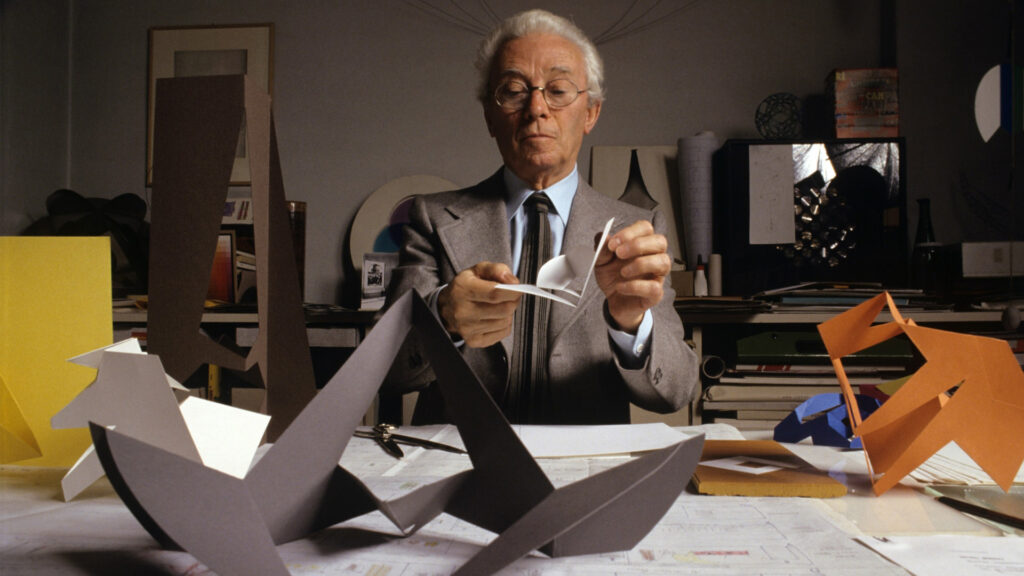
Bruno Munari, one of Italy’s greatest designers, emphasized: “Complicating is easy, simplifying is difficult.”
-
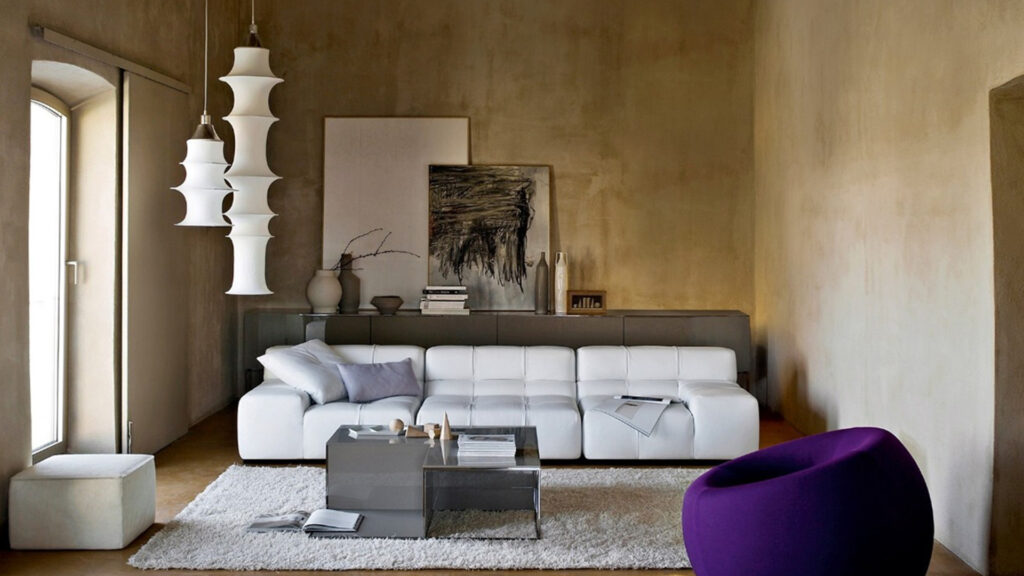
Falkland Lamp (1964) – flexible, functional, and minimalist.
-
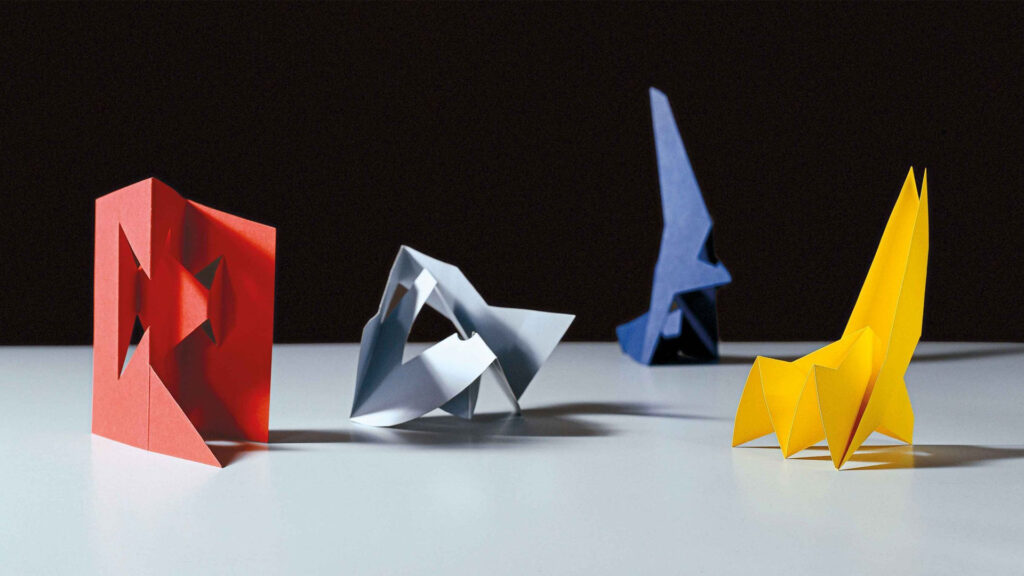
Travel Sculptures – foldable, lightweight, showing how simplicity can spark creativity.
Simplicity as a Strategy in Medical Device Design
Simplicity is not just aesthetic – it is strategic.
Benefits include:
- Reduced manufacturing costs (fewer materials and simpler processes).
- Higher reliability (fewer components mean fewer risks of failure).
- Improved usability and accessibility (intuitive devices support both patients and clinicians).
Modern examples:
-
Tesla Model 3 – minimalist dashboard improves user interaction.

-
Nest Thermostat – intuitive, accessible design widely appreciated by users.

Conclusion: The Essential is Innovation
Simplicity in design means essentiality, not banality. From Saint-Exupéry’s reflections to Munari’s creations, the lesson is clear: eliminating the superfluous is the path to perfection.
For medical device design, this principle is vital: simplicity improves safety, usability, and efficiency, transforming complexity into innovation for healthcare.
👉 Contact Creanova to discover how simplicity and innovation can guide the design of your next medical device.