
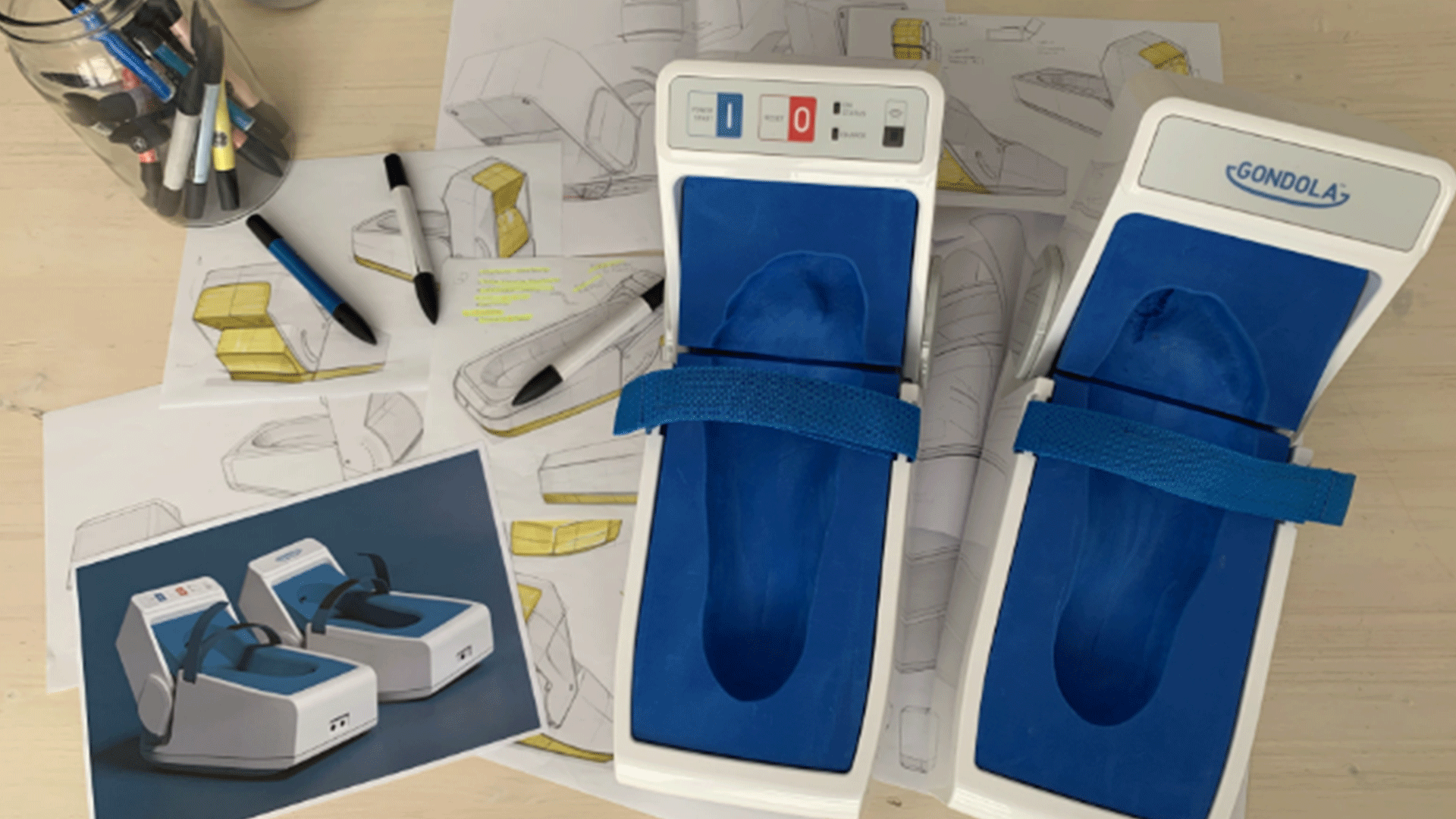
In medical device development, choosing how to structure your supplier ecosystem is not a secondary operational detail. It is a strategic decision that affects time to market, regulatory robustness, total cost of ownership, and long-term scalability.
Two dominant models coexist in MedTech today:
- The One-Stop Shop model, where design, development, and manufacturing are integrated under a single partner
- The Multi-Supplier model, where responsibilities are distributed across specialized vendors
Both approaches can work. Both can fail. The difference lies in context, maturity, and governance, not ideology.
What the One-Stop Shop Model Really Means
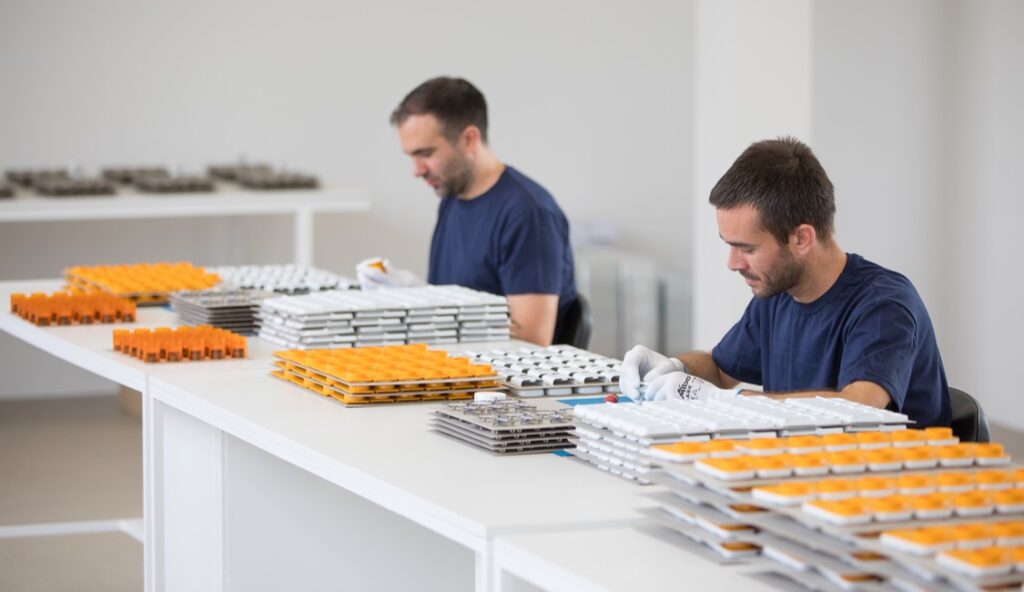
In MedTech, a One-Stop Shop is not simply a contract manufacturer with an internal design team. At its best, it is an integrated system that covers:
- Product definition and design inputs
- Industrial design and usability engineering
- Mechanical, electronic, and software development
- Design for Manufacturing (DFM) and Design Transfer
- Contract manufacturing under ISO 13485
- Documentation support (DHF, DMR, DHR)
The promise is straightforward: fewer interfaces, fewer handovers, fewer translation errors.
The Multi-Supplier Model: Why It Still Exists

Despite its complexity, the multi-supplier approach remains widespread, especially among:
- Large corporations with strong internal PMO and QA
- Startups led by highly technical founders
- Companies seeking best-in-class niche expertise
Its perceived advantages include:
- Access to highly specialized suppliers
- Vendor competition on price
- Flexibility to replace underperforming partners
On paper, it looks efficient. In practice, it demands strong internal orchestration.
Where the Models Differ in Practice
1. Interface Management
Every supplier boundary introduces:
- Design interpretation risks
- Documentation misalignment
- Responsibility gaps
In a multi-supplier setup, the client becomes the system integrator by default, even if not formally equipped for it.
In a One-Stop Shop, these interfaces are internalized. Problems still exist, but they are contained within one accountability framework.
2. Design Transfer and Manufacturing Readiness
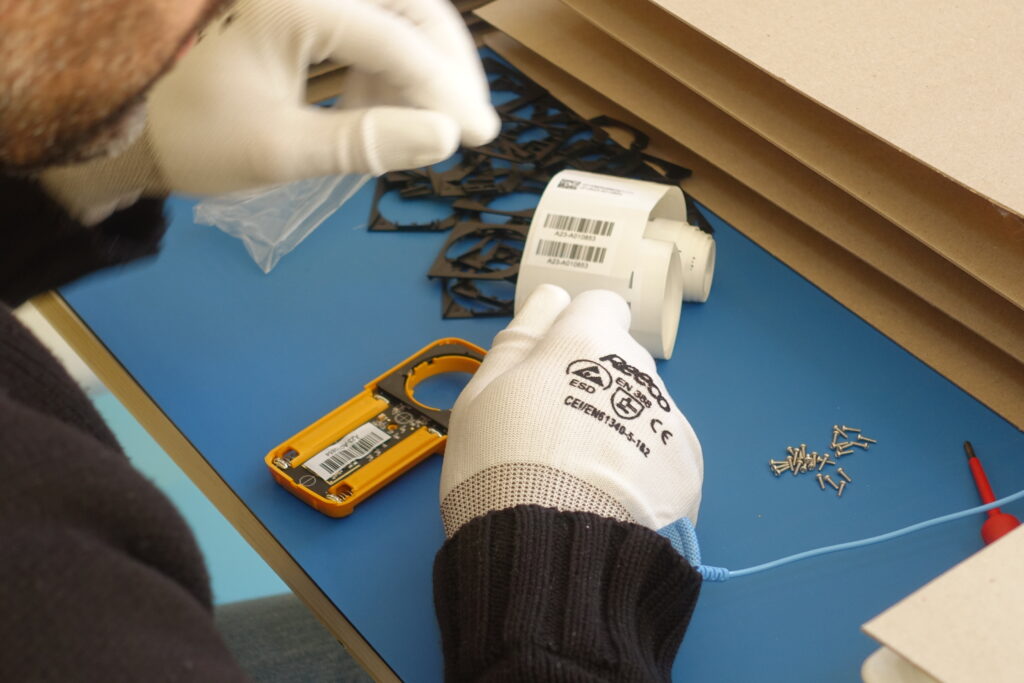
Design Transfer is one of the most fragile phases in medical device development.
Typical failure modes in multi-supplier models include:
- Prototypes developed without manufacturing constraints
- Late discovery of cleanroom or assembly issues
- Redesigns triggered after design freeze
An integrated partner reduces these risks by embedding manufacturing logic from the earliest design stages, not as a downstream correction.
3. Regulatory Consistency
Under MDR and FDA scrutiny, consistency matters more than speed.
Multi-supplier environments often struggle with:
- Fragmented documentation ownership
- Inconsistent design rationale across files
- Delayed responses during audits
A One-Stop Shop does not eliminate regulatory work, but it simplifies traceability, especially across design changes and risk management files.
4. Cost: Visible vs Real
Multi-supplier models often appear cheaper upfront:
- Lower unit quotes
- Separate negotiation leverage
However, hidden costs accumulate:
- Extended timelines
- Rework due to misalignment
- Internal resource overload
The One-Stop Shop model tends to shift costs earlier in the project, but often reduces the overall cost of delay and correction.
When a One-Stop Shop Makes Sense
This model is particularly effective when:
- Internal teams are lean
- Time to market is critical
- The device includes electronics + plastic housings
- Regulatory experience is limited in-house
It trades some flexibility for execution stability.
When a Multi-Supplier Model Is Still the Right Choice
A distributed model can work well if:
- The company has strong internal QA/RA and PM capabilities
- Interfaces are clearly defined and controlled
- The product architecture is modular
- Long-term supplier relationships already exist
Without these conditions, complexity grows faster than value.
A Common Misconception
The debate is often framed as integration vs freedom.
In reality, the real trade-off is between:
- coordination effort
- execution risk
The wrong model does not fail loudly. It fails late, when changes are expensive and options are limited.
Conclusion
There is no universally “better” model.
There is only the model that best matches your organizational maturity, risk tolerance, and product ambition.
In MedTech, where regulatory pressure leaves little room for improvisation, reducing unnecessary complexity is often the most strategic decision of all.